
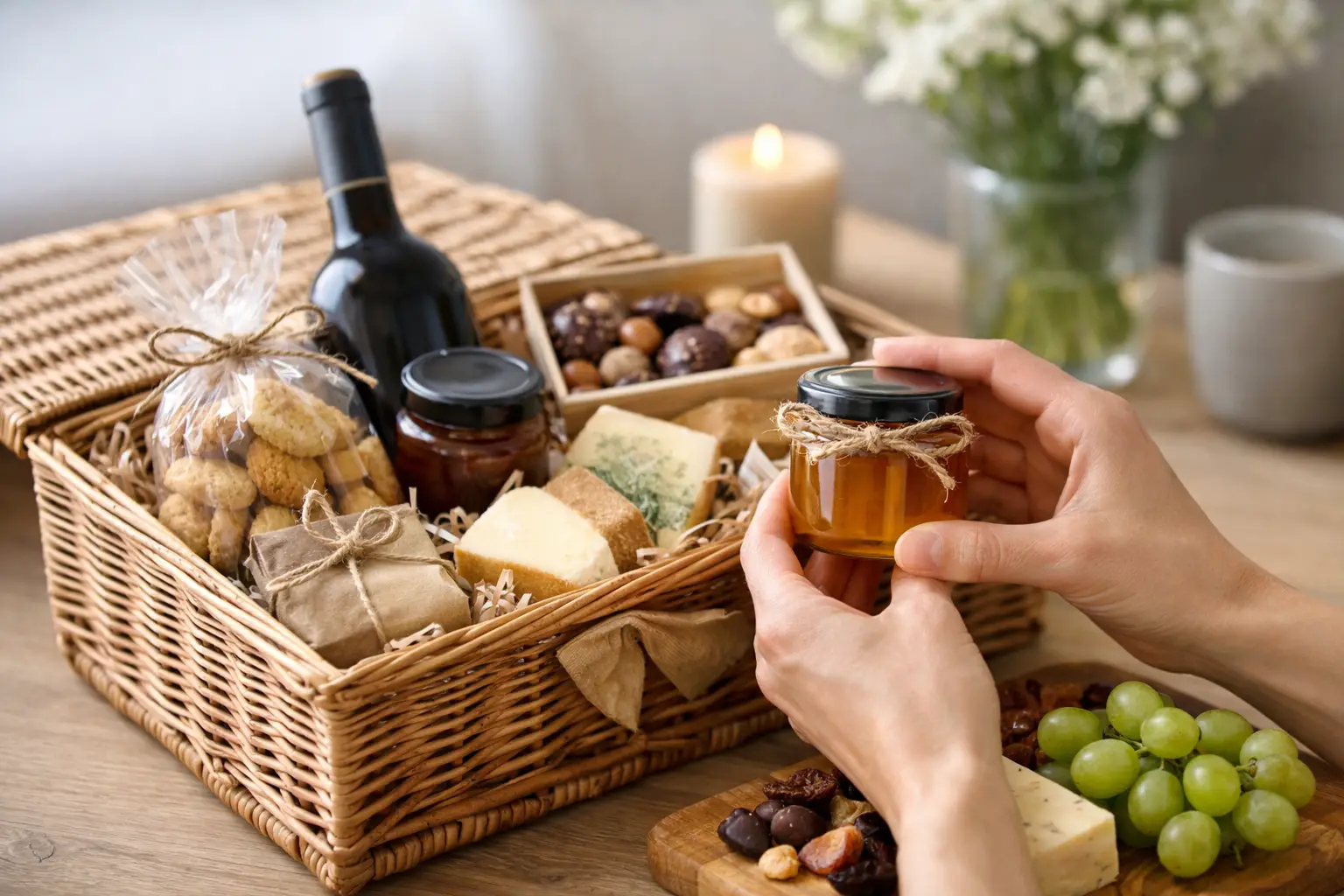
A good hamper should never feel like a last-minute solution in a ribboned box. The best ones feel considered from the first glance to the last bite, which is exactly why knowing how to choose food hampers matters. Whether you are buying for a birthday, a thank-you, a housewarming or a corporate gesture, the right selection says something about your taste and your attention to detail.
The challenge, of course, is that not every food hamper deserves the word premium. Some are generous but generic. Others look beautiful yet offer little beyond packaging. A well-chosen hamper balances quality, flavour, presentation and usefulness, so the recipient enjoys the experience rather than simply admiring it.
How to choose food hampers for the occasion
Start with the reason for giving. An indulgent Christmas hamper can carry richer flavours, more festive extras and a sense of abundance. A thank-you gift may be better when it is elegant and understated. A housewarming hamper often works best when it includes kitchen staples with a gourmet twist, such as olive oils, balsamics, seasoning blends and pantry accompaniments the recipient can start using straight away.
This is where context shapes the contents. A birthday hamper can be playful, with treats and flavour surprises. A corporate hamper usually needs broader appeal and polished presentation. If you are sending a gift to a household rather than an individual, think about how the products will be shared. A hamper designed for one enthusiastic cook can be more distinctive than one intended for an office team or family gathering.
When the occasion is formal, avoid anything too niche unless you know the recipient well. For a closer friend, partner or loyal client, more personality often makes the gift stronger. The hamper should feel suited to the moment, not simply expensive.
Think first about the recipient, not the basket
The easiest mistake is choosing with your own palate in mind. A beautifully boxed collection of intensely flavoured condiments may impress you, but if the recipient prefers simple cooking, it may sit unopened in the cupboard. The best hamper choices begin with a few practical questions. Do they enjoy cooking, or do they prefer ready-to-serve treats? Do they like bold Mediterranean flavours, sweet additions, savoury snacks or a mix of both? Are there dietary needs or preferences to consider?
A confident gift does not have to be complicated. In fact, a tighter edit often feels more luxurious. A hamper built around a clear food personality usually lands better than one trying to please everyone. For someone who loves cooking, ingredients with real depth are often more exciting than a random assortment of biscuits and jam. For someone who enjoys entertaining, think about products that can be served with ease, such as tapenades, dips, bruschetta toppings or artisan condiments.
If you are unsure, aim for recognisable products elevated by quality. Premium olive oils, fruit vinegars, seasoning blends and beautifully made accompaniments tend to feel generous without being risky. They offer flavour, flexibility and a sense of discovery.
Quality matters more than quantity
A large hamper can look impressive, but size alone is not a measure of value. This is one of the most useful principles in how to choose food hampers well. Ten mediocre items rarely feel more memorable than four excellent ones. People notice flavour. They notice when ingredients taste carefully sourced, thoughtfully made and worth savouring.
Look for products with a purpose. A good hamper should not feel padded out with filler. Every jar, bottle or pack should earn its place, either by adding genuine enjoyment or by complementing the rest of the selection. A bottle of aged balsamic, for example, feels even stronger when paired with artisan bread dippers, herb blends or a quality olive oil. The hamper becomes cohesive rather than crowded.
This is also where specialist retailers stand apart from supermarkets. Curated gourmet hampers tend to be more focused, with products chosen for flavour compatibility and gift appeal rather than shelf familiarity. That distinction can be subtle on paper, but it is obvious once opened.
Choose a flavour theme that makes sense
The most successful hampers often have a thread running through them. That might be a Mediterranean pantry theme, a relaxed grazing theme, a kitchen essentials theme or a collection built around entertaining. A clear flavour direction makes the gift feel more curated and helps the recipient understand how to enjoy it.
For home cooks, ingredient-led hampers are especially effective. Think oils for finishing, vinegars for dressings, spice blends for marinades, and condiments that lift everyday meals. These are gifts that do not simply sit on display. They become part of cooking, sharing and hosting.
Sweet-heavy hampers still have their place, but savoury gourmet hampers often feel more versatile and modern, especially for recipients who enjoy food beyond traditional treats. They also tend to suit a wider range of occasions, from client gifting to anniversaries to dinner-party thank-yous.
If you want the hamper to feel polished, avoid clashing styles. A luxury olive oil selection paired with novelty confectionery can feel disjointed. Cohesion gives a hamper its sense of confidence.
Presentation should feel premium, not excessive
Packaging matters because gifting is visual before it is culinary. The recipient sees the hamper before they taste a thing. Good presentation creates anticipation, but it should support the food rather than distract from it.
Look for clean, elegant packaging and a layout that feels considered. Baskets, gift boxes and wooden crates can all work, provided the finish matches the quality of the contents. Too much filler, oversized bows or decorative clutter can make a hamper feel less refined, not more.
There is also a practical side to presentation. Bottles should be well protected, jars should sit securely, and the whole hamper should travel well if it is being delivered. A premium gift loses some of its charm if it arrives looking unsettled.
This is particularly important for corporate gifting, where appearance carries part of the message. A smartly presented hamper suggests professionalism and care. For personal gifts, it adds delight without needing to be theatrical.
Set a budget, then judge value carefully
Food hampers exist across a wide price range, and a higher spend does not automatically mean a better choice. Budget matters, but value matters more. A modestly priced hamper with excellent products and strong presentation can outperform a larger, more expensive one that relies on quantity.
When comparing options, look at what you are actually paying for. Are the contents premium pantry staples, artisanal products or specialist flavours? Or is the price driven mainly by packaging and bulk? In gifting, perception counts, but so does substance.
If you are buying for several recipients, consistency becomes important. Corporate buyers often need hampers that feel generous while remaining practical at scale. In that case, broad-appeal gourmet selections with reliable presentation tend to work better than highly personalised but uneven choices.
For one recipient, however, personalisation can add real value. Even a small nod to their tastes makes the hamper feel more intentional.
Consider how the hamper will be used
The best hampers fit naturally into real life. Some are designed for immediate enjoyment, perhaps opened over a weekend or shared with guests. Others are more exploratory, with products to cook with over several weeks. Neither is better, but the distinction helps you choose well.
A recipient who loves hosting may appreciate ready-to-serve items that make entertaining easy. A keen home cook may get more pleasure from ingredients that inspire new dishes. Someone with a busy schedule might prefer a mix of indulgent, easy-to-enjoy products rather than anything too involved.
This is why usage matters as much as flavour. A hamper should meet the recipient where they are. Practical pleasure is often more memorable than sheer extravagance.
When in doubt, choose versatility with character
If you are still weighing options, the safest route is often a hamper that combines versatility with a distinctive point of view. Premium oils, flavourful vinegars, herb blends, savoury accompaniments and a few elegant extras strike that balance well. They feel special, but they are also easy to enjoy.
At Oil & Vinegar, that idea sits at the heart of great gifting – products chosen not only for their shelf appeal, but for the flavour they bring to everyday cooking and shared tables. That is often what turns a hamper from a polite gesture into something genuinely appreciated.
A thoughtful food hamper does not need to be extravagant to make an impression. It simply needs to feel chosen with care, guided by taste and shaped around the person receiving it. If it invites them to cook, share, taste and enjoy, you have chosen well.