
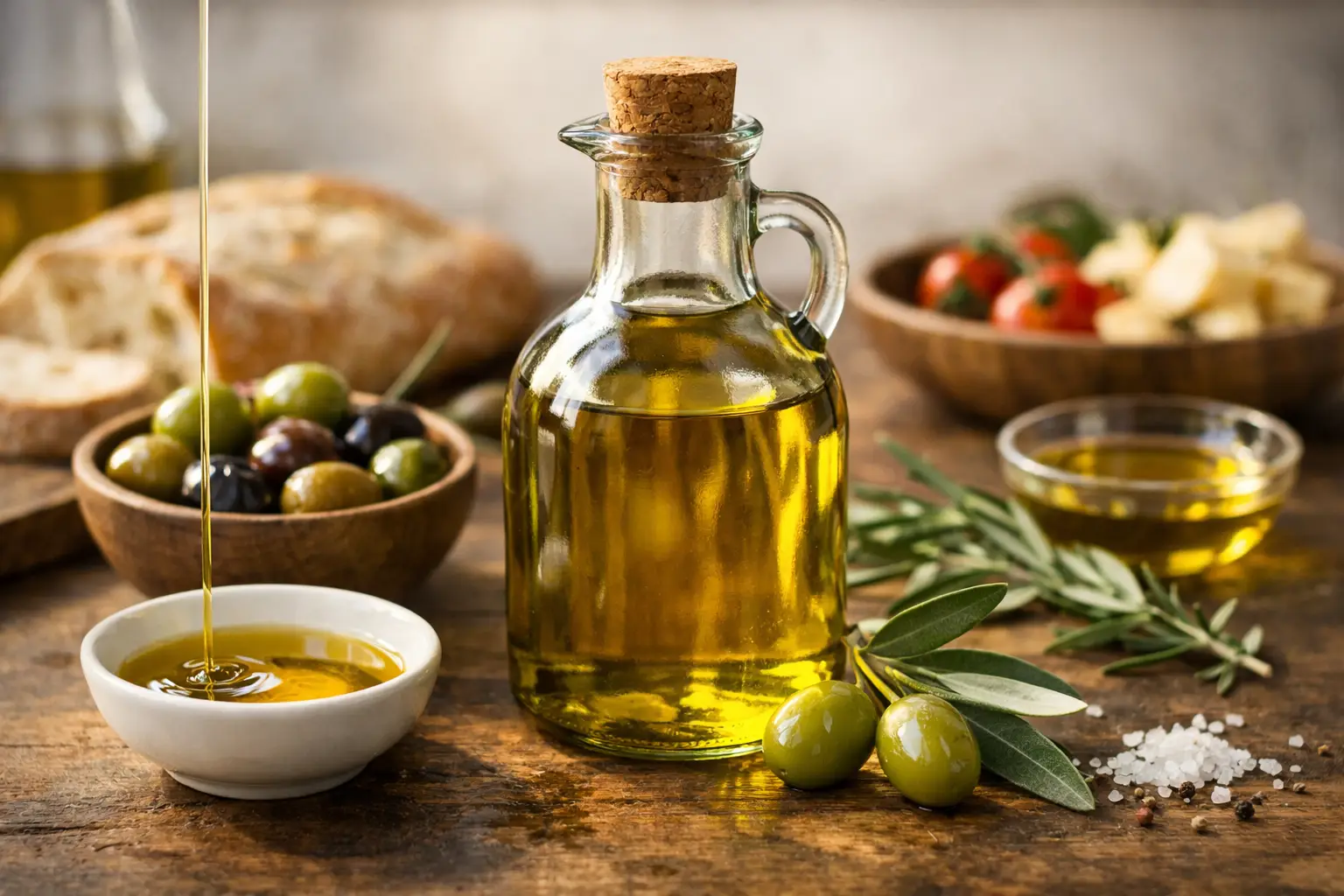
The quickest way to tell whether an olive oil is truly special is not on the label but on the palate. A premium bottle will often smell fresh, grassy or softly fruity, then finish with a gentle peppery note that lingers just long enough to wake up a salad, soup or slice of grilled sourdough. That sensory difference sits at the heart of premium olive oil benefits. Yes, quality olive oil can play a valuable part in a balanced diet, but for most home cooks the real revelation is how much more depth, character and pleasure it brings to everyday food.
What premium olive oil benefits really mean
When people talk about olive oil quality, they often jump straight to price. Cost matters, but it is only one clue. Premium olive oil benefits come from a combination of careful sourcing, timing, extraction and storage. Olives picked in good condition and pressed quickly tend to produce oil with brighter aroma and cleaner flavour. Thoughtful bottling and protection from heat and light help preserve those qualities.
In practical terms, that means the oil in your kitchen does more than act as a cooking medium. It contributes its own flavour profile, whether that is green and peppery, round and buttery, or delicately fruity. A good oil does not need to be saved only for special occasions. Used well, it can make simple ingredients feel considered and complete.
Better flavour is the benefit you notice first
The most immediate advantage of premium olive oil is flavour definition. Instead of a flat, oily background note, you get layers. Some oils bring notes of cut grass, green almond and artichoke. Others lean towards ripe tomato, soft herbs or golden apple. That variation makes olive oil less of a generic pantry staple and more of a finishing ingredient in its own right.
This matters because better flavour changes how you cook. A peppery extra virgin olive oil can sharpen a tomato salad without much else on the plate. A smoother, fruitier style can soften bitter leaves or finish roasted fish beautifully. Once you begin matching oils to dishes, you need less heavy seasoning to create interest.
There is a useful trade-off to understand here. A bold oil is not automatically better than a delicate one. If you are dressing burrata, steamed courgettes or a light white fish, too much bitterness or pepper can overwhelm the dish. Premium does not mean aggressive. It means balanced, expressive and suited to the food in front of you.
Aroma and freshness change the whole dish
Flavour starts before the first bite. Fresh olive oil has an aroma that lifts food as soon as it hits the plate. Drizzled over warm soup, folded into mashed potatoes or spooned over grilled vegetables, it releases notes that bottled supermarket oils often lack.
That freshness is one of the less discussed premium olive oil benefits, yet it is one of the reasons good ingredients make home cooking feel more polished. When an oil smells alive, dishes feel brighter and more finished. Even a simple lunch of bread, tomatoes and cheese becomes far more memorable.
Freshness does fade over time, which is why storage matters. Olive oil is best kept away from direct light and heat, and once opened it is worth using regularly rather than letting it linger at the back of the cupboard. Premium oil rewards attention.
Quality often means more care from grove to bottle
A premium olive oil usually reflects decisions made long before it reaches the shelf. Producers may harvest earlier for livelier flavour, select particular olive varieties for character, or keep extraction methods tightly controlled to preserve aroma and natural compounds. Those details do not just sound reassuring on a product description. They influence what ends up in the bottle.
For shoppers who care about provenance and craftsmanship, this is part of the appeal. You are not simply buying fat for frying. You are choosing an ingredient shaped by terroir, timing and skill. That sense of origin is similar to what people appreciate in wine, coffee or speciality vinegar. It turns a routine purchase into something with personality.
Not every premium oil will suit every kitchen, of course. If you mostly use olive oil for high-volume roasting or everyday frying, there may be moments when a more modest bottle is perfectly sensible. But when flavour matters – for dipping, dressing, finishing and serving – quality is much easier to taste.
Premium olive oil benefits in everyday cooking
One of the pleasures of a well-made olive oil is how easily it elevates ordinary meals. It can bring a silky finish to blended soups, roundness to grain salads and a subtle richness to roasted roots. Stirred through warm lentils with lemon and herbs, it creates a dressing and flavour base at once.
It is also one of the simplest ways to add a restaurant-style finish at home. A final drizzle over pizza, risotto, bruschetta or grilled lamb adds shine, aroma and contrast. Because the oil is doing real flavour work, the rest of the dish can stay uncomplicated.
That versatility is especially useful if you enjoy building a pantry with a few dependable luxuries rather than a cupboard full of one-use ingredients. A good olive oil works across quick suppers, slower weekend cooking and relaxed entertaining. It also makes an easy bridge into flavour exploration. Pair it with balsamic, citrus vinegars, herbs or spice blends, and familiar ingredients start to taste new again.
The nutritional side – useful, but not the whole story
Many people come to olive oil through health conversations, and reasonably so. Extra virgin olive oil is widely associated with monounsaturated fats and naturally occurring plant compounds, and it has long been a valued part of Mediterranean-style eating patterns. For many households, using olive oil in place of less balanced fats feels like a sensible everyday choice.
Still, it helps to keep perspective. Olive oil is not a miracle ingredient, and premium olive oil benefits should not be reduced to a single health claim. How beneficial it feels in practice depends on the wider diet, portion size and how the oil is used. Pouring a little over grilled vegetables or whisking it into a homemade dressing is one thing. Treating any oil as limitless because it sounds wholesome is another.
The more compelling point is that quality often encourages moderation. When an oil has genuine flavour, you tend to use it with intention. A tablespoon of something vivid and well made can do far more than a heavy-handed pour of something bland.
Why premium olive oil can offer better value than it seems
At first glance, premium olive oil costs more. There is no getting around that. But value in the kitchen is not only about the shelf price. It is also about how much flavour, versatility and satisfaction you get from each use.
A distinctive oil can rescue a simple supper, improve ingredients you already have and reduce the need for extra sauces or complicated finishing touches. It can also make a thoughtful gift, particularly for hosts, keen cooks or anyone who enjoys discovering new flavours without needing another generic hamper item.
This is where specialist food retailers have a real advantage. Guidance matters. If you can choose an oil based on profile and usage rather than guesswork, you are far more likely to find one that earns its place in the cupboard. For many shoppers, that confidence is part of the premium experience.
How to recognise a good bottle
You do not need to be an expert taster to buy well, but a few signals help. Look for extra virgin olive oil with a clear sense of origin and a flavour profile that suits how you cook. Packaging that protects from light is a plus. So is information about variety, harvest or producer style, where available.
Once opened, trust your senses. Good oil should smell fresh, not stale or waxy. On the palate it should taste clean and lively, often with some bitterness and pepperiness, especially in greener styles. Those are not faults. They are signs of character.
If you are just starting to explore, begin with the dishes where the oil is most exposed. Drizzle it over tomatoes, mozzarella, white beans, grilled vegetables or warm bread. You will notice quickly whether it brings brightness and balance or simply fades into the background.
A premium olive oil should make you want to use it, not save it indefinitely. That is perhaps the most persuasive of all the premium olive oil benefits. It turns simple cooking into a small daily pleasure, and that is a very good reason to keep a fine bottle close at hand.